Hip hop is often introduced through sound and spectacle — beats, lyrics, and performance. But to understand its true power, you have to look beyond music. Hip hop is a cultural movement rooted in lived experience, community, and resistance. It has shaped identity, language, fashion, and social consciousness across generations.
What began as a creative response to marginalisation has grown into a global force, influencing how people express themselves and how cultures evolve.
Origins in Community and Resistance
Hip hop emerged from communities facing social and economic exclusion. With limited access to traditional platforms, young people created their own spaces for expression. Streets, parks, and community centres became sites of creativity.
This origin shaped hip hop’s purpose. It was never just entertainment. It was a way to claim visibility, tell stories, and challenge narratives imposed from the outside. That foundation still defines hip hop as a cultural movement rather than a passing trend.
The Four Elements as Cultural Practice
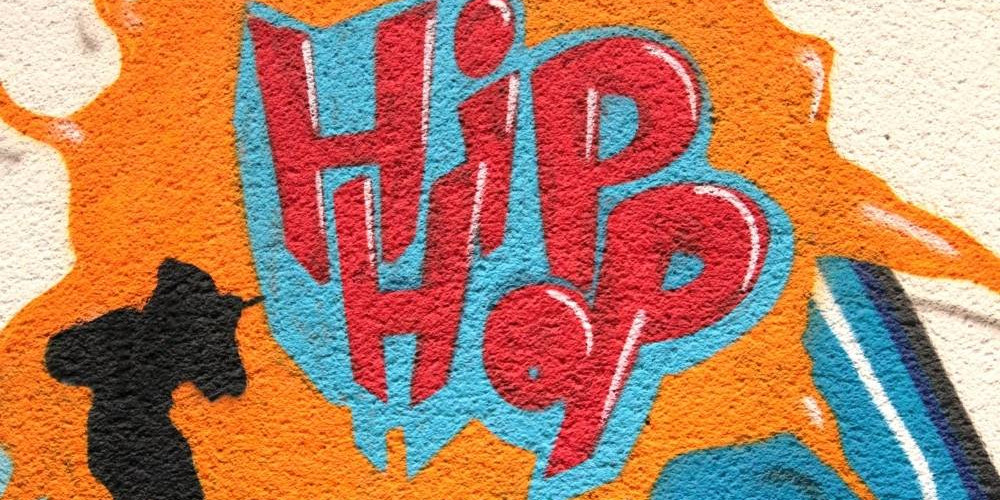
Hip hop is built on four core elements: MCing, DJing, breakdancing, and graffiti. Each represents a different form of expression, but together they form a unified culture.
These elements are practices, not products. They encourage participation, experimentation, and skill-sharing. Hip hop culture values effort, originality, and community recognition over institutional approval.
Identity and Self-Definition
Hip hop empowers individuals to define themselves on their own terms. Through language, style, and storytelling, people assert identity in spaces that often attempt to erase it.
This emphasis on self-definition has influenced movements far beyond hip hop itself. From fashion to digital media, the idea that authenticity matters more than conformity traces directly back to hip hop culture.
Global Reach, Local Voice
As hip hop spread worldwide, it adapted without losing its core values. Local scenes developed their own sounds, styles, and narratives while remaining connected to the movement’s origins.
This balance between global influence and local authenticity is central to hip hop’s cultural strength. It proves that a movement can expand without becoming disconnected from real communities.

Hip Hop and Social Consciousness
Hip hop has always been politically aware, even when not explicitly political. It reflects social realities, highlights inequality, and documents everyday struggles. In doing so, it becomes a historical record of voices often excluded from mainstream narratives.
This consciousness keeps hip hop relevant. It evolves alongside social change, continuing to challenge systems while offering space for dialogue and reflection.
Creativity as Access
Hip hop redefined who gets to be creative. You did not need expensive tools or formal training — just imagination, rhythm, and voice. This accessibility reshaped creative culture by lowering barriers to participation.
That legacy continues today. Hip hop’s influence can be seen in how creativity thrives online, where remixing, sampling, and reinterpretation are celebrated rather than restricted.
More Than Performance
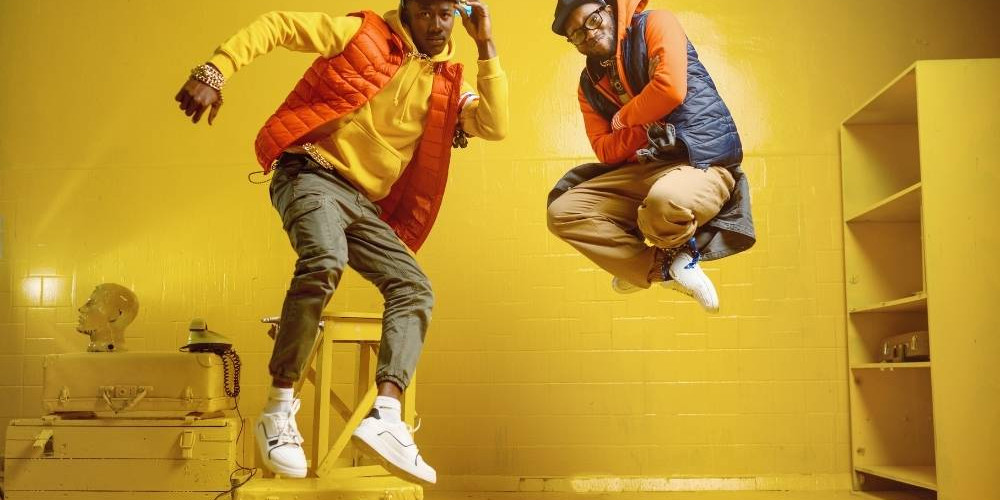
Performance is visible, but culture is lived. Hip hop exists in everyday language, fashion choices, attitudes, and community spaces. It shapes how people walk, talk, and see themselves.
By existing beyond stages and screens, hip hop becomes part of daily life. It is not something you watch; it is something you live.
Why Hip Hop Endures as a Movement
Hip hop endures because it remains connected to people. It adapts without losing its purpose. It creates space for voices that demand to be heard.
As a cultural movement, hip hop continues to influence how society understands creativity, identity, and resistance. Beyond music and performance, it stands as a living, evolving expression of human experience.
Hip hop is not just culture — it is cultural power.