
Grassroots Political Journalism and the Power of Local Voices
Grassroots political journalism is a form of citizen-led reporting that focuses on local issues often overlooked by mainstream media. It empowers community…
Read article
Culture · streets · memory
Writing on archival streets, artists who document their blocks, and the global language that grew from Bronx basements.
Read the journal
Street archives
Gentrification and redevelopment erase graffiti, venues, and oral history—citizen journalism keeps those layers visible.
Neighborhood reporting
Lyrics, videos, and zines often arrive before traditional news—especially when communities distrust outside cameras.

Global reach
Sampling, dance, and fashion carried hip hop across borders while each city re-rooted the form in its own struggles.
“The turntable was a press room; the park was a newsroom—and the story was always about who got to name the block.”
Journal
Recent essays from National Celebration of Hiphop.
Grassroots political journalism is a form of citizen-led reporting that focuses on local issues often overlooked by mainstream media. It empowers community…
Read article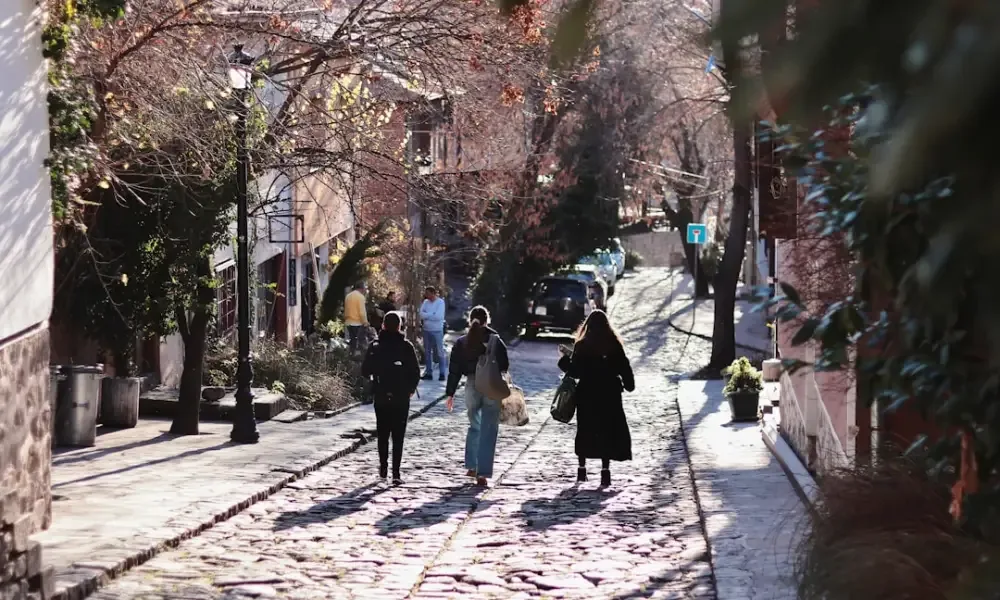
The Concrete Archive: Why Street History is SacredIn the rapidly shifting landscape of the modern American city, the physical markers of our cultural heritage…
Read article
The Sonic Archive: When the Mic Becomes a Press Badge For decades, the world has looked at hip hop through the lens of entertainment, fashion, and…
Read articleFAQ
Long-form essays on street history, artist-led reporting, and hip hop’s influence on culture beyond charts and playlists.
Try protecting living street history or artists reporting on their neighborhoods.
Reach out via the contact form—messages go to the National Celebration of Hiphop inbox.