Hip hop began as a local response to specific social conditions, but it did not stay confined to one place. Over time, it crossed borders, languages, and cultures, becoming a global cultural language understood far beyond its origins. Today, hip hop connects people who may share little else — except a common way of expressing identity, struggle, and creativity.
Its journey from local movement to global language reveals why hip hop continues to resonate across generations and geographies.
Roots That Spoke Universally
Although hip hop emerged from specific communities, the themes it expressed were widely relatable. Issues of inequality, identity, resistance, and ambition are not limited by geography. Hip hop articulated these experiences in a raw, direct way that felt honest and accessible.
This emotional clarity allowed people across the world to recognise themselves in the culture. Even when the details differed, the feelings translated.
Language Beyond Words
Hip hop communicates through more than lyrics. Rhythm, movement, visual style, and attitude all function as forms of language. A beat, a dance move, or a piece of street art can carry meaning without translation.
This non-verbal communication helped hip hop travel globally. People did not need to understand every word to understand the message. Expression, confidence, and authenticity became universally recognisable signals.
Local Voices, Global Framework
As hip hop spread, it adapted to local contexts. Artists and communities around the world used hip hop to tell their own stories, in their own languages, shaped by their own realities.
This localisation did not weaken hip hop — it strengthened it. The culture provided a framework rather than a script. Each scene contributed new sounds, styles, and perspectives while remaining connected to shared values.
Media, Technology, and Acceleration
The global expansion of hip hop accelerated with media and technology. Radio, television, the internet, and social platforms allowed music, visuals, and ideas to travel instantly.
Digital spaces removed traditional gatekeepers. Independent voices could reach global audiences without institutional support. Hip hop’s existing emphasis on remixing and reinterpretation fit naturally into this environment, allowing the culture to thrive online.
Fashion, Slang, and Everyday Life
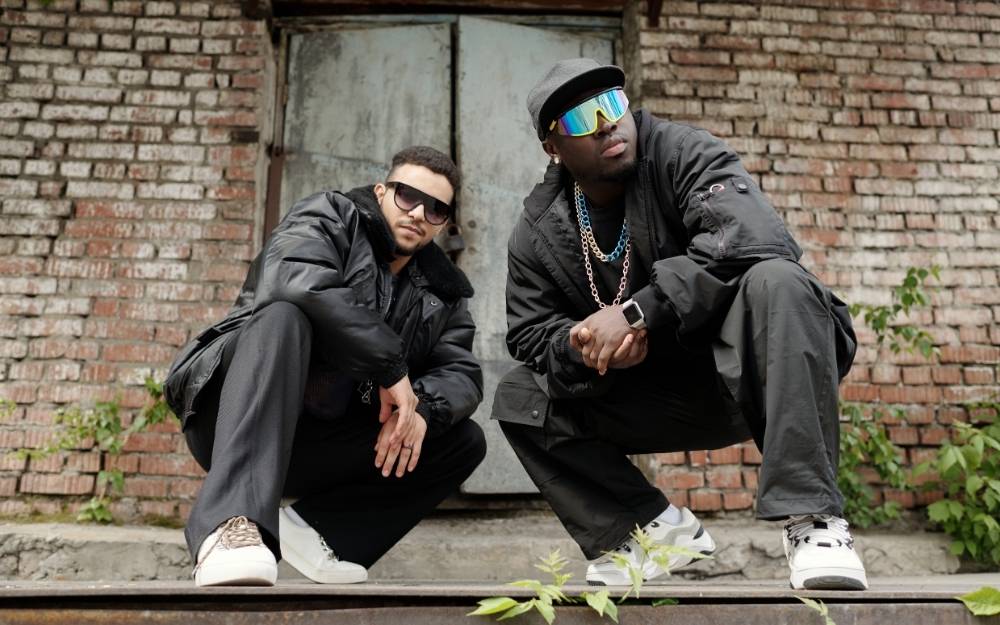
Hip hop’s global language extends into daily life. Fashion trends, slang, and attitudes shaped by hip hop appear in cities worldwide. What began as local style became a shared visual and cultural reference point.
This everyday presence reinforces hip hop’s role as a living language. It is not only performed or consumed — it is worn, spoken, and embodied.
Connection Through Shared Experience
Hip hop’s global reach is not about uniformity. It is about connection. People engage with the culture because it offers recognition and belonging. It creates a sense of shared experience across borders, even when circumstances differ.
This connection allows hip hop to function as cultural dialogue. Communities speak through it, respond to each other, and influence one another in an ongoing exchange.
Evolution Without Erasure
As hip hop grows globally, it continues to evolve. New influences enter the culture, and new voices reshape its direction. Yet its core principles remain visible — storytelling, authenticity, creativity, and resistance.
This balance between change and continuity explains why hip hop remains culturally powerful. It evolves without erasing its roots.
A Living Global Language
Hip hop is not frozen in time. It changes with the world while continuing to reflect it. As a global cultural language, it allows people to express identity, challenge systems, and build community across boundaries.
What began as a local movement has become a shared way of speaking about life, struggle, and creativity. Hip hop does not need translation — it is understood.
And that is why it continues to shape global culture today.