
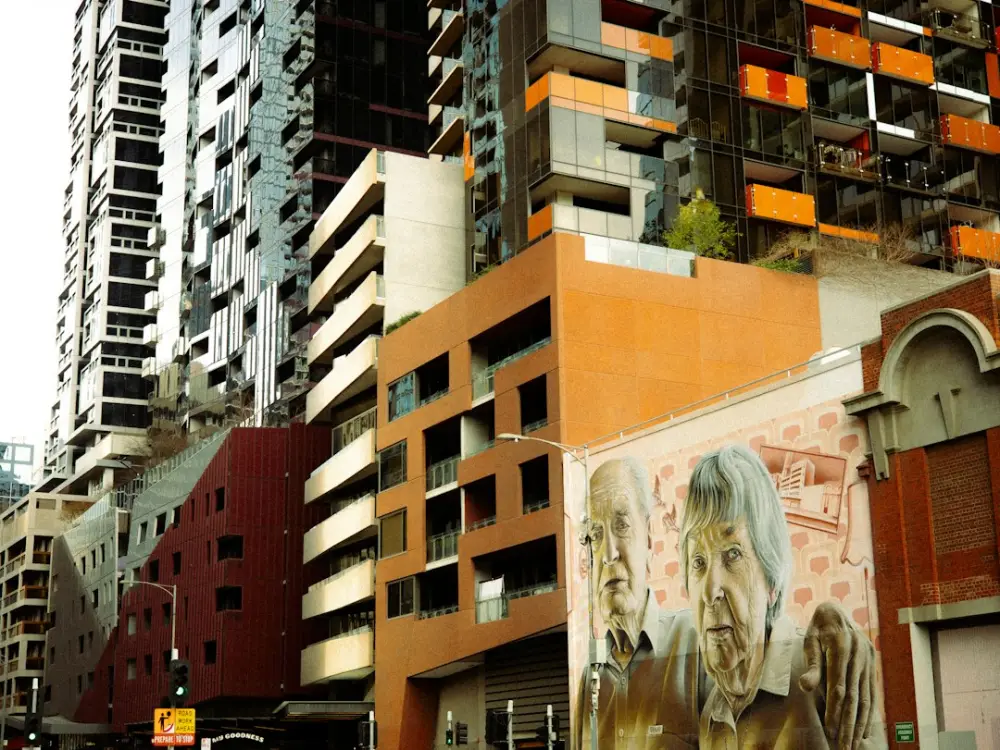
Street history and civic memory refer to the collective process of documenting and honoring the lived experiences, cultural milestones, and social movements rooted in specific urban environments. While street history focuses on localized, grassroots narratives, civic memory involves how institutions and communities choose to remember, represent, and preserve these stories through monuments, naming, and public programming in 2026.
This framework moves beyond official archives to include the oral histories of corner stores and the evolution of graffiti on specific transit lines. It asks whose stories are allowed to occupy public space and how we can ensure that neighborhood changes do not erase the cultural identity of the people who lived there long before the developers arrived.
Municipal Case Study: The Los Angeles Civic Memory Model
In recent years, city governments have begun to realize that traditional monuments often overlook the complex, sometimes painful histories of the people who actually inhabit urban spaces. The Los Angeles Mayor’s Office of City Homelessness Initiatives and various cultural departments established a Civic Memory Working Group to address these gaps. This initiative serves as a primary example of how a city can move toward a more inclusive record of its past.
The Los Angeles model focuses on sites that have been historically erased or ignored, such as the displacement of residents in Chavez Ravine or the history of the 1871 Chinese Massacre. By engaging historians, architects, and community organizers, the city developed a set of recommendations for how to mark these locations without necessarily relying on bronze statues. Instead, they utilized digital mapping and temporary installations to reflect a history that is still felt by the current population. This approach recognizes that we still need to protect the physical and emotional layers of a city that official records frequently omit.
Presenting Urban Narratives Through Public Programming
Public programming is the mechanism that turns static history into a living conversation. In 2026, this often takes the form of site-specific activations. For example, the use of augmented reality (AR) apps allows residents to point their phones at a vacant lot and see a digital recreation of a community center or a legendary performance venue that once stood there. This technology bridges the gap between what is visible today and what remains in the neighborhood's collective memory.
Another concrete example is the neighborhood-led walking tour. Unlike commercial tours, these are often narrated by long-term residents who can identify where a specific social movement started or where a particular mural was painted over. These programs turn the sidewalk into a classroom. By prioritizing local voices, civic memory becomes a tool for community resistance against the flattening effects of gentrification. Public libraries and local community colleges often provide the infrastructure for these projects, hosting workshops where residents can digitize old photographs or record oral histories that describe the evolution of their blocks over several decades.
Hip Hop: A Living Record of Street History
Hip hop has always functioned as a decentralized archive of the city. Long before municipal boards debated how to preserve neighborhood identity, hip hop artists are actually reporting on the conditions, boundaries, and cultural shifts of their environments. A verse can serve as a primary source document, detailing the specific intersection where a community gathered or the impact of a new housing policy on a particular borough.
The culture treats the street as a sacred text. When an artist references a specific housing project or a local bodega, they are contributing to a localized street history that might never appear in a textbook. This reporting is essential because it captures the rhythm and vernacular of the neighborhood in real-time. For the hip hop community, civic memory isn't just about looking backward; it is about maintaining a continuous thread from the pioneers of the 1970s to the practitioners of today. This continuity ensures that the contributions of Black and Brown youth to the urban fabric are recognized as a legitimate part of the city's historical record.
Practical Steps for Documenting Local Street History
- To begin, identify a specific block, landmark, or community hub that holds significant cultural value but lacks official recognition.
- The first step in capturing the narrative is to conduct oral history interviews with long-term residents and elders who witnessed the neighborhood's evolution firsthand.
- Start by digitizing personal artifacts, such as old photographs, event flyers, or local zines, to create a permanent record of the street's visual history.
- Next, collaborate with local libraries or community centers to host a scanning day where neighbors can contribute their stories to a shared digital archive.
- Finally, use these collected narratives to propose a site-specific marker or a digital walking tour that ensures the civic memory of the space remains accessible to the public.
Resources for Further Reading
To deepen your understanding of how urban spaces and cultural narratives intersect, several academic and municipal resources provide frameworks for action. The Getty Conservation Institute offers extensive documentation on the Los Angeles Civic Memory project, which provides a blueprint for other cities looking to audit their own public histories. Additionally, organizations like the National Archives provide guidelines on preserving oral histories and community-led documentation projects.
Preserving these stories requires a practical commitment to gathering data and protecting the spaces where culture happens. Whether through digital archiving, policy advocacy, or neighborhood storytelling, the goal is to ensure that the identity of the street is not lost to time. At the National Celebration of Hiphop, we view this work as a vital extension of the culture itself. By documenting the intersection of hip hop and civic memory, we help maintain a record of the neighborhoods that birthed a global movement, ensuring that the history of the streets remains accessible to the generations that follow.