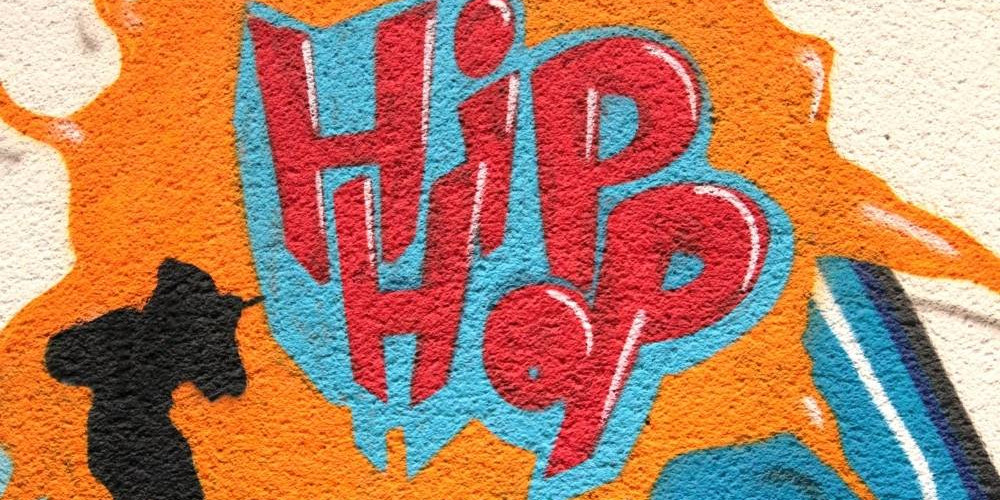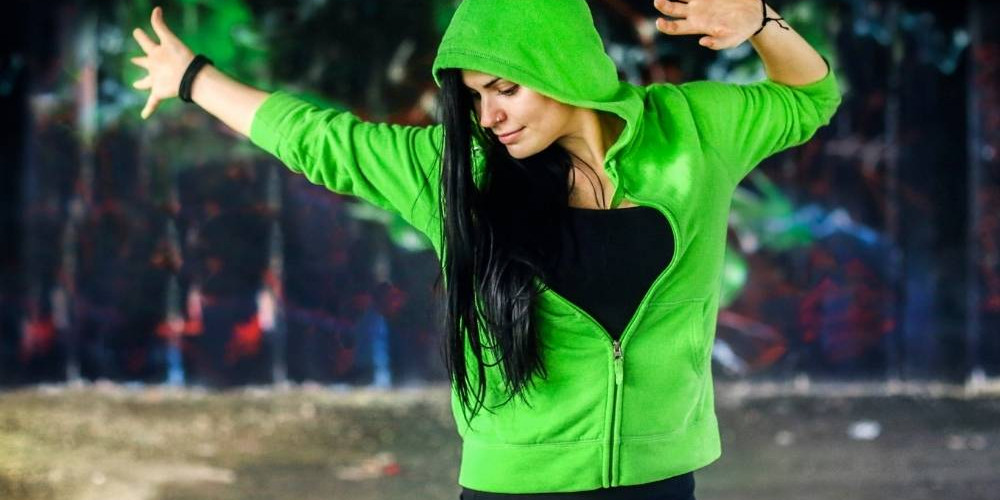
Hip hop is more than a genre of music. It is a cultural movement that has reshaped how creativity is expressed, shared, and understood across the world. Born from lived experience and social reality, hip hop continues to influence art, language, fashion, and identity decades after its origins.
As communities come together to mark the National Celebration of Hip Hop, it becomes clear why this culture remains so powerful. Hip hop does not simply reflect creativity — it actively creates space for it.
A Culture Built on Expression
From the beginning, hip hop emerged as a response to limitation. With few resources and little access to traditional creative platforms, early artists turned to what they had: words, rhythm, movement, and visual expression.
This foundation made creativity central rather than optional. Rapping, DJing, breakdancing, and graffiti all became tools for storytelling and self-definition. Hip hop proved that expression does not require permission — only authenticity.
Voice and Identity
One of hip hop’s greatest contributions to creative expression is its emphasis on voice. Hip hop encourages individuals to speak in their own language, using their own experiences as material.
This focus on personal narrative has influenced countless creative fields. Writers, filmmakers, designers, and visual artists have adopted hip hop’s unapologetic honesty. The idea that your story matters — exactly as it is — remains one of hip hop’s most enduring lessons.
Creativity Without Boundaries
Hip hop thrives on reinvention. Sampling, remixing, freestyling, and reinterpreting existing material are core elements of the culture. Rather than treating creativity as something fixed, hip hop treats it as fluid.
This approach has reshaped modern creativity. Today’s creative expression often blurs lines between old and new, high and low culture, local and global. Hip hop normalised this freedom long before it became mainstream.
Influence Beyond Music
While music remains central, hip hop’s influence stretches far beyond sound. Fashion, visual art, dance, film, and digital media all carry its imprint. Styles born on the street have moved onto global runways. Slang created in local communities now shapes everyday language.
This cultural crossover highlights hip hop’s adaptability. It evolves without losing its core values, allowing creative expression to grow while staying rooted in authenticity.

Community and Collaboration
Hip hop has always been collective. Cyphers, battles, crews, and collaborations create environments where creativity feeds off shared energy. Competition exists, but it often pushes innovation rather than limiting it.
This community-driven creativity has influenced how artists work together across disciplines. Collaboration, not isolation, becomes the engine for new ideas. Hip hop shows that creative expression is often strongest when it is shared.
Challenging the Status Quo
Hip hop has consistently challenged established norms. It questions authority, exposes inequality, and gives voice to perspectives often ignored. This critical edge keeps the culture relevant and necessary.
Creative expression influenced by hip hop is rarely passive. It asks questions, provokes reaction, and reflects reality without filters. In doing so, it keeps creativity connected to real life rather than detached from it.
Generational Impact
Each generation reshapes hip hop while inheriting its foundations. New sounds, styles, and platforms emerge, but the core principles remain — authenticity, storytelling, and self-expression.
This generational continuity explains why hip hop continues to shape creativity. It evolves with the people who engage with it, making space for new voices while honouring those who came before.
Why Hip Hop Still Matters
Hip hop endures because it speaks directly to human experience. It adapts to change without losing its purpose. As creative industries continue to evolve, hip hop remains a blueprint for expression that is honest, inclusive, and bold.
The National Celebration of Hip Hop is not just about recognising a genre — it is about acknowledging a culture that continues to empower creativity across the world.
Hip hop does not follow trends. It creates them.